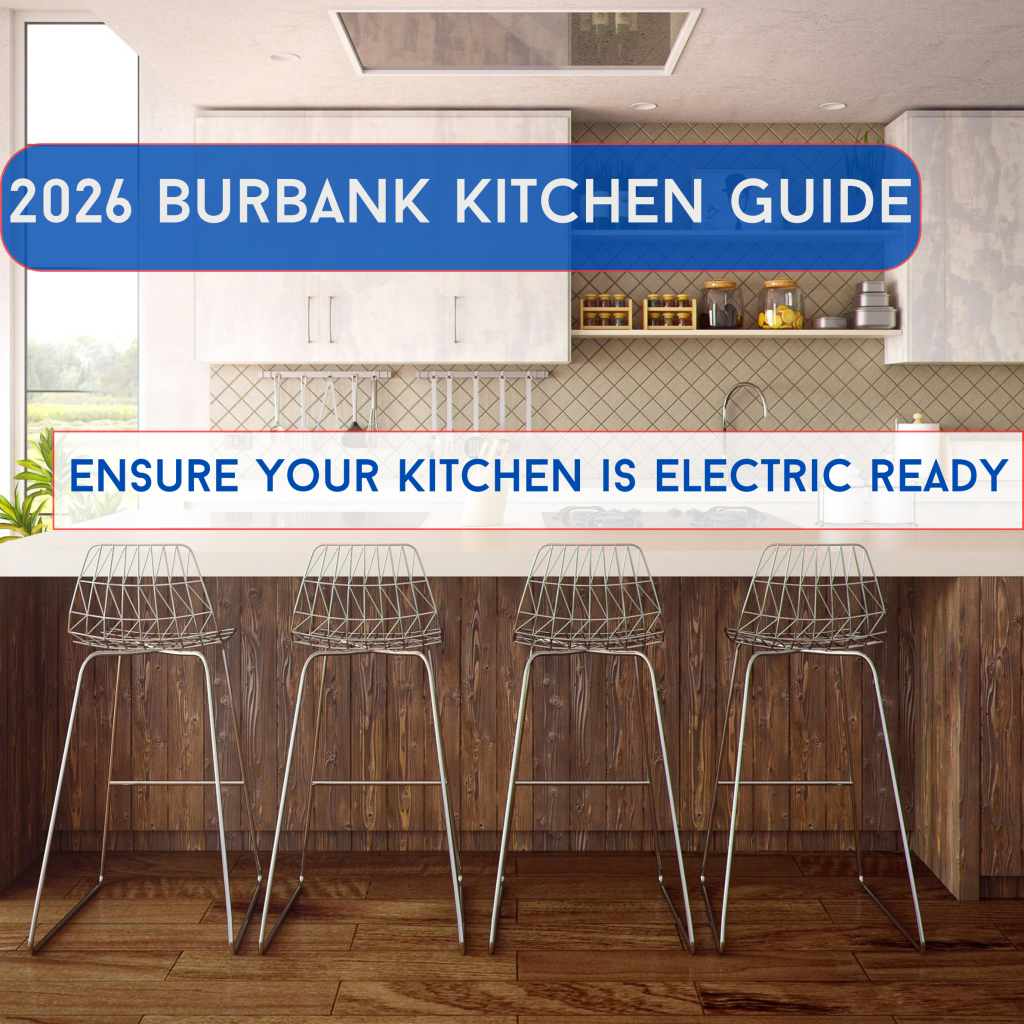
Your kitchen takes a toll on your homes electrical system. It can account for up to 40% of your homes entire electrical use. Like it or not, Burbank is in the process of trying to reduce their use of the already strained California power grid by future-proofing homes with new electrical requirements.
The new code requires a dedicated 240-volt, 50-amp branch circuit labeled as 240V ready to be installed within 72 inches of the kitchen cooktop. This change will allow current and future homeowners to install more energy efficient electric ranges and cooktops. The end goal of this change being less strain on the current grid and future plans for solar energy which will reduce the overall cost of electricity. If you currently own gas appliances the requirement still applies so while you don’t have to change your appliances, in order for your kitchen to be up to code this is something that will have to be addressed if it hasn’t been already.
While a change in the overall circuitry of your kitchen is a pretty large project, there are smaller requirements that can’t be ignored such as;
Kitchen Remodeling Code For: Small Appliances
The National Electrical Code requires at least two 20-amp small appliance circuits near all countertops for any small appliances homeowners might want to use like blenders, coffee makers, toasters and so on.
Kitchen Remodeling Code For: GFCI Protection
The NEC also requires that all 125-volt, single-phase, 15- and 20-ampere outlets near the kitchen (including countertops) and within 6ft of sinks must have Ground Fault Circuit Interrupter protection or GFCI protection. Basically what it does is detect interruptions in the circuit and cut power off within milliseconds in order to prevent shock before blowing a fuse or your heart. You can find a detailed explanation here on How Stuff Works if your curious.
Kitchen Remodeling Code For: Tamper Resistant Outlets
Once again, per the NEC, all 15-,20-amp 120V receptacles must be tamper resistant which basically means you need to have 2 prongs and/or a third grounding prong installed before the internal shutters will open and allow power through.
Kitchen Remodeling Code For: Countertop Receptacles (outlets)
On your countertop, you’re required to have outlets every 24 inches (2 feet), and counter over 12 inches requires an outlets, and outlets are not allowed to be over 20 inches above the countertop. That pretty much sums up all your requirements for kitchen countertop electrical work in Burbank.
Kitchen Remodeling Code For: Islands and Peninsula Outlets
For the islands/peninsulas (no one ever installs archipelagos, capes, or isthmuses in their kitchens anymore) you’ll have to have one outlet per counter no more than one foot below the countertop surface. This is to prevent dangerous dangling cords and help reduce tripping hazards. It provides easy access to power without having to run cords throughout your kitchen and ‘figure it out’. It’s also much more chic when it comes to cable management.
Kitchen Remodeling Code For: Dedicated Circuitry
All major appliances (the big mommas and poppas) such as your fridge, oven, range, dishwasher, garbage disposal, and the unassumingly named microwave all need dedicated circuitry . This requirement ensures consistent power to the most electrically demanding parts of your kitchen and avoids them overloading other lines and causing fuses to trip.
Kitchen Remodeling Code For: Lighting
Kitchen lights usually require or at least are suggested to have their own dedicated circuit as well. Similar to the appliances lighting is a huge draw on the power of the home, unlike the appliances lighting tends to peak, drop and vary depending on the homeowners usage. Task lighting, LED recessed lighting, chandeliers, pendant lights, dimmers, and smart lighting options all contribute in their own ways to inconsistent and erratic power requirements which only a dedicated line can serve.
This covers what should be most things a homeowner needs to at least be aware of when it comes to ensuring your kitchen’s electrical system is up to code. If you want to know more detail you can visit the city of Burbank code requirement page here.
If you need a contractor who (obviously) knows the ins and outs of the NEC and all other California city codes. Click here to schedule an appointment with Perfect View Builders
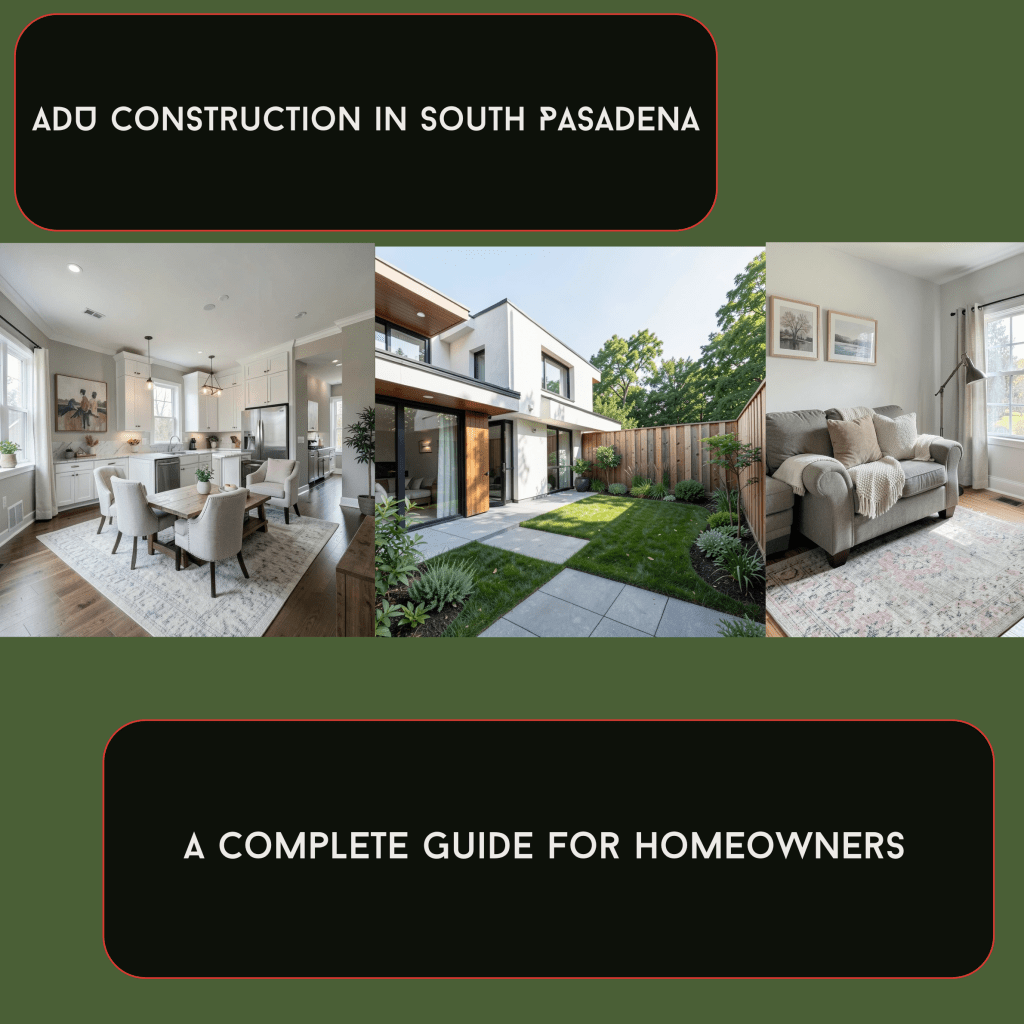
ADU Construction in South Pasadena: A Complete Guide for Homeowners
As housing costs continue to rise across Los Angeles County, more homeowners in South Pasadena are turning to Accessory Dwelling Units (ADUs) as a practical way to expand living space and increase property value. Whether you’re planning to build a rental unit, guest house, or home office, understanding the ADU process in South Pasadena is key to a successful project.
Why Build an ADU in South Pasadena?
South Pasadena is known for its quiet neighborhoods, historic homes, and strong demand for housing. Adding an ADU here offers both lifestyle and financial benefits.
Key advantages:
Rental income potential in a high-demand market
Multi-generational living solutions
Increased property value
Flexible use (office, studio, guest suite)
With California’s pro-ADU legislation, it’s now easier than ever to add a secondary unit—if you follow local guidelines.
South Pasadena ADU Regulations: What You Need to Know
While California law supports ADU development, local rules in South Pasadena still shape what you can build.
Important considerations:
Zoning requirements (most residential lots qualify)
Setbacks and lot coverage limits
Height restrictions for detached units
Parking requirements (often waived near transit)
If your property is in a historic or preservation zone, additional design review may apply.
Choosing the right type of ADU depends on your lot size, budget, and goals.
Detached ADU
A standalone structure, ideal for privacy and long-term rental income.
Garage Conversion
One of the most cost-effective options—transforming an existing garage into livable space.
Attached ADU
An addition connected to your main home, often easier for utilities and integration.
Junior ADU (JADU)
A smaller unit within your existing home, typically up to 500 sq ft.
Each option has different cost and permitting implications, so planning ahead is essential.
Timeline: From Concept to Completion
ADU construction isn’t instant—especially in a city like South Pasadena where planning standards are strict.
Important design elements:
Design & planning: 1–2 months
Permitting: 2–4 months
Construction: 4–7 months
Delays can occur if revisions are required during plan check, so working with experienced professionals helps keep things moving.
Cost of ADU Construction in South Pasadena
Costs can vary widely based on size, design, and complexity.
Typical ranges:
Garage conversion: $90,000 – $160,000
Detached ADU: $180,000 – $400,000+
High-end custom builds: $450,000+
Additional costs may include:
Permits and fees
Utility connections
Architectural and engineering services
Site preparation
Because Bungalow Heaven projects often require design review, timelines and costs may be slightly higher than average.
Design Tips for South Pasadena Homes
South Pasadena has a strong architectural identity, with many Craftsman and Spanish-style homes. Your ADU should complement—not clash with—your main residence.
Design best practices:
Match exterior materials and finishes
Maintain consistent rooflines and proportions
Use cohesive landscaping to connect structures
Maximize natural light in smaller spaces
A well-designed ADU not only looks better—it also adds more long-term value.
Common Challenges (and How to Avoid Them)
Limited lot size
Solution: Opt for a compact detached ADU or garage conversion.
Permitting delays
Solution: Ensure plans meet local code before submission.
Budget overruns
Solution: Define scope clearly and include contingency funds.
Utility connections
Solution: Plan early for electrical, water, and sewer upgrades.
Choosing the Right ADU Contractor
Not all contractors are experienced with ADUs—especially in cities with strict guidelines like South Pasadena.
Look for
Proven ADU construction experience
Knowledge of local zoning and permitting
Transparent estimates and timelines
A strong portfolio of completed projects
The right contractor will guide you through the process and help you avoid costly mistakes.
Building an ADU in South Pasadena is one of the most effective ways to expand your property’s potential. Whether you’re creating additional living space or generating rental income, a well-planned ADU can deliver long-term value.
Success comes down to understanding local regulations, designing thoughtfully, and working with experienced professionals who know the South Pasadena market.
Taking the time to plan properly now will save you time, money, and stress down the road.
Our Southern California Service Areas
Pasadena & SGV:
Altadena, San Marino, Arcadia, La Cañada Flintridge, South Pasadena, Sierra Madre, Monrovia, and San Gabriel.
Ventura County:
Thousand Oaks, Westlake Village, Simi Valley, Oak Park, Moorpark, and Camarillo.
Orange County:
Irvine, Fullerton, Newport Beach, Anaheim Hills, Orange, and Yorba Linda.
Serving neighborhoods from Bungalow Heaven to San Rafael Hills.
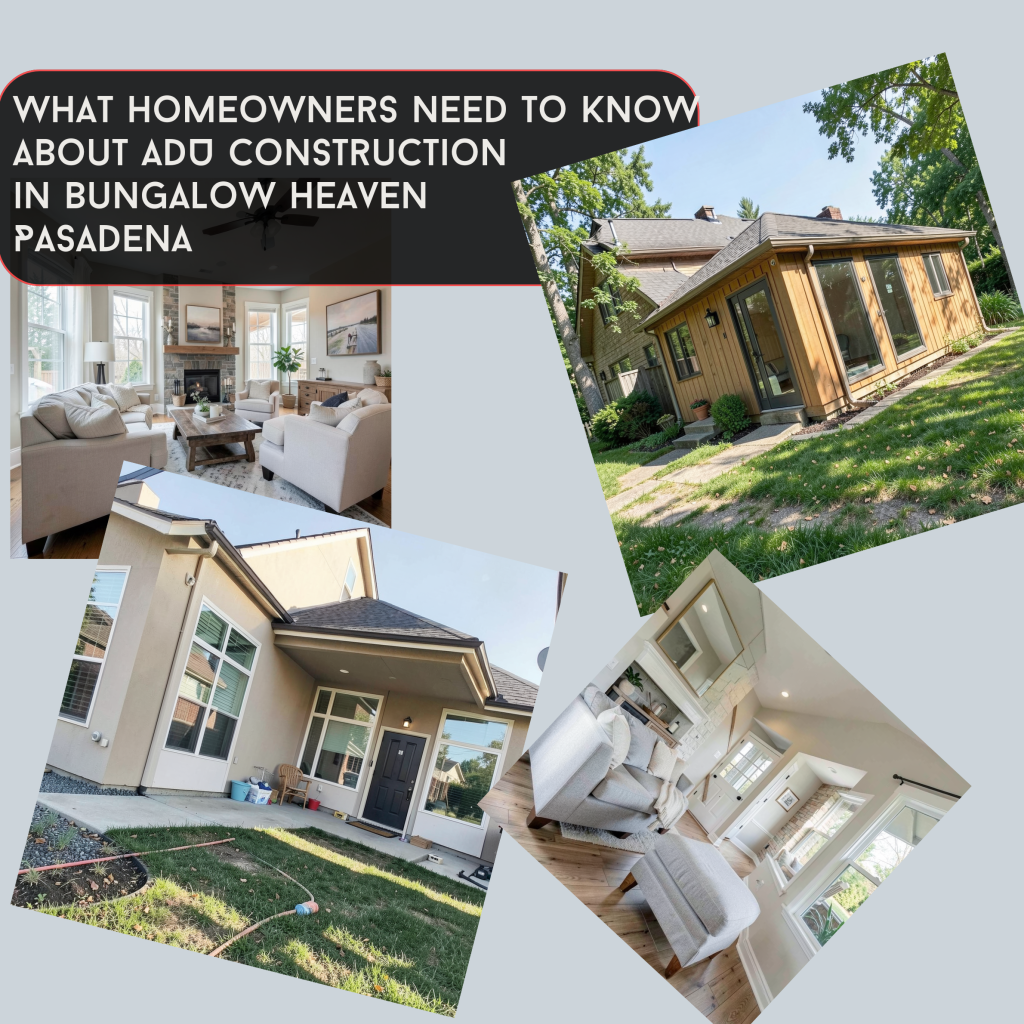
ADU Construction and Remodeling in Bungalow Heaven, Pasadena: What Homeowners Need to Know
Bungalow Heaven is one of the most iconic neighborhoods in Pasadena—known for its historic charm, tree-lined streets, and beautifully preserved Craftsman homes. As housing needs evolve, many homeowners in this area are turning to Accessory Dwelling Units (ADUs) to add space, increase property value, or generate rental income.
But building or remodeling an ADU in Bungalow Heaven comes with unique considerations. From strict design guidelines to lot constraints, here’s what you need to know before starting your project.
Why Build an ADU in Bungalow Heaven?
ADUs have become increasingly popular across California, and Pasadena is no exception. In neighborhoods like Bungalow Heaven, they offer a smart way to expand without compromising the character of the main home.
Key benefits:
Additional living space for family or guests
Rental income potential in a high-demand area
Increased property value
Flexible use (home office, studio, guest house)
Given Pasadena’s strong housing market, an ADU can be both a lifestyle upgrade and a long-term investment.
Understanding Local Regulations and Historic Guidelines
Bungalow Heaven is part of a designated historic district, which means ADU construction isn’t as straightforward as in other areas.
What to expect:
Design review requirements to maintain neighborhood aesthetics
Height, size, and setback limitations
Compatibility with Craftsman-style architecture
While California state law has made ADUs easier to build, local historic preservation rules still apply. Working with professionals familiar with Pasadena’s permitting process is essential.
ADU Remodeling – Upgrading Existing Structures
Not every project starts from scratch. Many homeowners in Bungalow Heaven choose to remodel existing structures into ADUs.
Common remodeling projects:
A separate structure in the backyard—ideal for privacy and rental use.
Converting storage spaces or garages
Updating outdated guest houses
Expanding small units for better functionality
Remodeling can be more cost-effective than new construction, but it still requires compliance with building codes and local regulations.
Design Considerations for Historic Homes
Maintaining the architectural integrity of your property is crucial in Bungalow Heaven.
Important design elements:
Matching rooflines and exterior materials
Using complementary colors and finishes
Preserving original details where possible
A well-designed ADU should feel like a natural extension of the property—not an afterthought.
Cost of ADU Construction in Pasadena
Costs can vary widely based on size, design, and complexity.
Typical ranges:
Garage conversion: $80,000 – $150,000
Detached ADU: $150,000 – $350,000+
High-end custom builds: $400,000+
Additional costs may include:
Permits and fees
Utility connections
Architectural and engineering services
Because Bungalow Heaven projects often require design review, timelines and costs may be slightly higher than average.
Timeline: What to Expect
ADU projects in Pasadena typically follow this timeline:
Planning & design: 1–3 months
Permitting: 2–4 months (longer in historic districts)
Construction: 4–8 months
Working with an experienced contractor can help streamline this process and avoid delays.
Choosing the Right Contractor
ADU construction in a historic district requires specialized knowledge.
Look for:
Experience with Pasadena ADU projects
Familiarity with historic preservation guidelines
Strong portfolio of similar work
Transparent pricing and timelines
The right team will help you navigate regulations while delivering a high-quality result.
Building or remodeling an ADU in Bungalow Heaven is a unique opportunity to enhance your home while preserving its historic charm. With the right planning, design, and expertise, you can create a space that adds both function and long-term value.
If you’re considering an ADU project in Pasadena, start by understanding your property’s potential and working with professionals who know the local landscape.
Thinking about adding an ADU to your property?
Careful planning and local expertise can make all the difference—especially in a historic neighborhood like Bungalow Heaven.
Contact us today to schedule a free in-home estimate.
Our Southern California Service Areas
Pasadena & SGV:
Altadena, San Marino, Arcadia, La Cañada Flintridge, South Pasadena, Sierra Madre, Monrovia, and San Gabriel.
Ventura County:
Thousand Oaks, Westlake Village, Simi Valley, Oak Park, Moorpark, and Camarillo.
Orange County:
Irvine, Fullerton, Newport Beach, Anaheim Hills, Orange, and Yorba Linda.
Serving neighborhoods from Bungalow Heaven to San Rafael Hills.
Your kitchen takes a toll on your homes electrical system. It can account for up to 40% of your homes entire electrical use. Like it or not, Burbank is in the process of trying to reduce their use of the already strained California power grid by future-proofing homes with new electrical requirements.
The new code requires a dedicated 240-volt, 50-amp branch circuit labeled as 240V ready to be installed within 72 inches of the kitchen cooktop. This change will allow current and future homeowners to install more energy efficient electric ranges and cooktops. The end goal of this change being less strain on the current grid and future plans for solar energy which will reduce the overall cost of electricity. If you currently own gas appliances the requirement still applies so while you don’t have to change your appliances, in order for your kitchen to be up to code this is something that will have to be addressed if it hasn’t been already.
While a change in the overall circuitry of your kitchen is a pretty large project, there are smaller requirements that can’t be ignored such as;
Kitchen Remodeling Code For: Small Appliances
The National Electrical Code requires at least two 20-amp small appliance circuits near all countertops for any small appliances homeowners might want to use like blenders, coffee makers, toasters and so on.
Kitchen Remodeling Code For: GFCI Protection
The NEC also requires that all 125-volt, single-phase, 15- and 20-ampere outlets near the kitchen (including countertops) and within 6ft of sinks must have Ground Fault Circuit Interrupter protection or GFCI protection. Basically what it does is detect interruptions in the circuit and cut power off within milliseconds in order to prevent shock before blowing a fuse or your heart. You can find a detailed explanation here on How Stuff Works if your curious.
Kitchen Remodeling Code For: Tamper Resistant Outlets
Once again, per the NEC, all 15-,20-amp 120V receptacles must be tamper resistant which basically means you need to have 2 prongs and/or a third grounding prong installed before the internal shutters will open and allow power through.
Kitchen Remodeling Code For: Countertop Receptacles (outlets)
On your countertop, you’re required to have outlets every 24 inches (2 feet), and counter over 12 inches requires an outlets, and outlets are not allowed to be over 20 inches above the countertop. That pretty much sums up all your requirements for kitchen countertop electrical work in Burbank.
Kitchen Remodeling Code For: Islands and Peninsula Outlets
For the islands/peninsulas (no one ever installs archipelagos, capes, or isthmuses in their kitchens anymore) you’ll have to have one outlet per counter no more than one foot below the countertop surface. This is to prevent dangerous dangling cords and help reduce tripping hazards. It provides easy access to power without having to run cords throughout your kitchen and ‘figure it out’. It’s also much more chic when it comes to cable management.
Kitchen Remodeling Code For: Dedicated Circuitry
All major appliances (the big mommas and poppas) such as your fridge, oven, range, dishwasher, garbage disposal, and the unassumingly named microwave all need dedicated circuitry . This requirement ensures consistent power to the most electrically demanding parts of your kitchen and avoids them overloading other lines and causing fuses to trip.
Kitchen Remodeling Code For: Lighting
Kitchen lights usually require or at least are suggested to have their own dedicated circuit as well. Similar to the appliances lighting is a huge draw on the power of the home, unlike the appliances lighting tends to peak, drop and vary depending on the homeowners usage. Task lighting, LED recessed lighting, chandeliers, pendant lights, dimmers, and smart lighting options all contribute in their own ways to inconsistent and erratic power requirements which only a dedicated line can serve.
This covers what should be most things a homeowner needs to at least be aware of when it comes to ensuring your kitchen’s electrical system is up to code. If you want to know more detail you can visit the city of Burbank code requirement page here.
If you need a contractor who (obviously) knows the ins and outs of the NEC and all other California city codes. Click here to schedule an appointment with Perfect View Builders
How Great Los Angeles Renovations Manage Costs, Timelines and Expectations
Planning a home renovation in Los Angeles can be exciting despite the feelings of uncertainty.
How much will it cost? How long will it take? What surprises should you prepare for?
This guide breaks down everything you need to know so you can plan your renovation with confidence and avoid costly mistakes.
How Much Does a Home Renovation Cost in Los Angeles?
Los Angeles Renovations costs are as varied as the city itself. While we treat each project individually, our experience allows us to make some educated assumptions regarding the average prices of Los Angeles renovations, remodels, additions, etc…
Average Los Angeles Renovations Costs
Bathroom remodel
$15,000 – $35,000+
Kitchen remodel
$25,000 – $75,000+
Full home renovation
$100,000 – $300,000+
Home Additions
$50,000-300,000+
Los Angeles Renovations Cost Factors
Labor rates
Higher in Los Angeles compared to most cities
Permits & inspections
Required for most major work
Material choices
Luxury finishes can double your budget
Home age
Older homes may need plumbing or electrical upgrades
Los Angeles Renovations Timeline: What to Expect
The length of your Los Angeles renovation project depends on the scope of work, however, we will do our best to go over a few of the more average timelines we encounter.
Typical Project Timelines
Bathroom remodel: 3–6 weeks
Kitchen remodel: 6–12 weeks
Full home renovation: 3–6 months (or longer)
Phases of a Renovation
Planning & Design (2–6 weeks)
Includes layouts, budgeting, and contractor selection
Permits & Approvals (2–8 weeks)
Required by the City of Los Angeles for most renovations
Construction (4–16+ weeks)
Demolition, installation, inspections, and finishing
Final Walkthrough (1 week)
Punch list and final adjustments
Los Angeles Renovations : Reviews for Perfect View Builders
What to Expect During the Process
Renovations rarely go exactly as planned—especially in a city like Los Angeles. Here’s what you should be prepared for:
Permits and Regulations
The Los Angeles Department of Building and Safety requires permits for most structural, plumbing, and electrical work. Delays here are common.
Unexpected Repairs
Older homes may reveal hidden issues like:
Outdated wiring
Plumbing leaks
Foundation problems
Noise and Disruption
Expect:
Daily construction noise
Limited access to parts of your home
Dust and debris
Material Delays
Custom materials, tiles, or fixtures can delay your timeline—especially if sourced internationally.
Los Angeles Renovations Timeline: What to Expect
Hiring the right professional can make or break your renovation.
Choosing the Right Contractor
Hiring the right professional can make or break your renovation.
What to Look For
Licensed and insured contractor
Experience with Los Angeles permits and codes
Strong local reviews and portfolio
Clear, detailed estimates
Questions to Ask
What’s included in the quote?
What is the estimated timeline?
How are change orders handled?
Tips to Keep Your Renovation on Track
Plan early: Start design and permits well in advance
Set a realistic budget: Include contingency funds
Communicate often: Stay in touch with your contractor
Avoid mid-project changes: These can increase costs and delays

Perfect View Builders
The best Los Angeles area contractor for any home renovations you need. We are licensed, bonded insured and have over 20 years of experience.
Serving Los Angeles and the Surrounding Areas
Los Angeles,
CA
90028
Direct Line: (844) 472-8458
Explore Our Los Angeles Renovation Projects
★★★★★
Top-Rated 5/5 Stars | 21 Experts in Los Angeles Renovations
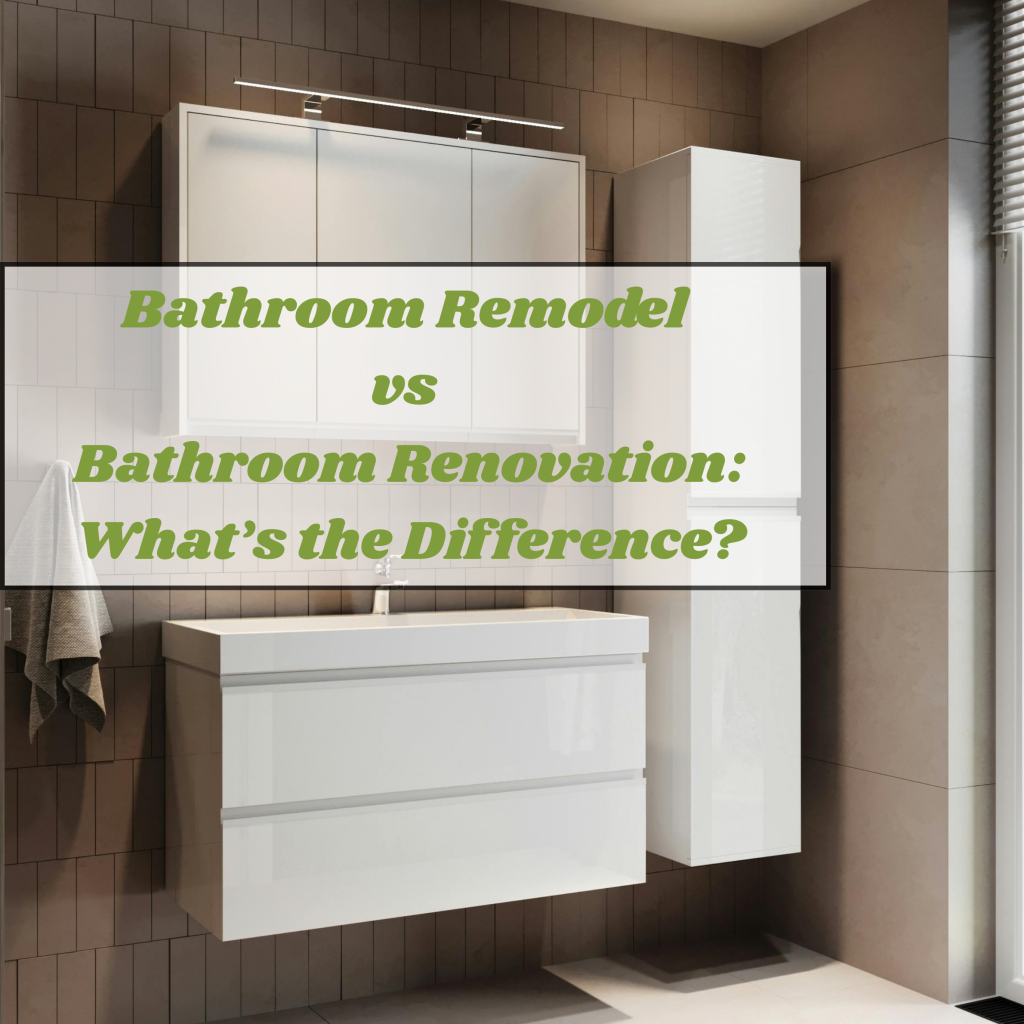
Bathroom Remodel vs Bathroom Renovation: What’s the Difference?
If you’re planning to upgrade your bathroom, you’ve probably heard the terms bathroom remodel and bathroom renovation used interchangeably. While many people treat them as the same thing, there are actually important differences between the two.
Understanding the distinction between a bathroom remodel vs bathroom renovation can help you plan your project more effectively, set the right budget, and work better with contractors and designers.
In this guide, we’ll explain what each term means, how they differ, what type of project might be right for your home, and what homeowners should expect when upgrading their bathroom.
What Is a Bathroom Renovation?
A bathroom renovation typically refers to restoring or updating an existing bathroom without changing its structure or layout.
Renovations focus on refreshing the space while keeping the core design intact. The goal is to improve the appearance, repair worn materials, and modernize the bathroom while maintaining the original layout.
Common Bathroom Renovation Projects
Typical renovation upgrades include:
Replacing old tiles with new ones
Updating faucets and fixtures
Installing a new toilet or sink
Replacing the bathtub or shower with a similar model
Updating lighting fixtures
Repainting walls
Installing a new vanity
These improvements give the bathroom a fresh, modern look without requiring major structural work.
Example of a Bathroom Renovation
Imagine a bathroom that still has the original layout but outdated finishes. A renovation might involve:
Removing old tile flooring
Installing modern porcelain tiles
Replacing the vanity and mirror
Updating the showerhead and faucets
Adding new lighting
The bathroom looks completely refreshed, but the plumbing and layout stay in the same place.
What Is a Bathroom Remodel?
A bathroom remodel goes beyond cosmetic updates. Remodeling involves changing the structure, layout, or overall design of the bathroom.
Instead of simply refreshing the existing space, a remodel transforms how the bathroom looks and functions.
Common Bathroom Remodeling Projects
Bathroom remodels may include:
Changing the bathroom layout
Expanding the bathroom size
Moving plumbing fixtures
Converting a tub into a walk-in shower
Installing custom cabinets or vanities
Replacing flooring and wall materials
Updating electrical and plumbing systems
Remodeling projects are typically more complex and require more planning than renovations.
Example of a Bathroom Remodel
For example, a remodel might include:
Removing a bathtub and installing a large walk-in shower
Moving the toilet to a different wall
Installing a double vanity instead of a single sink
Expanding the bathroom into a nearby closet
Adding new lighting and storage solutions
In this case, the bathroom layout and design are completely transformed
Key Differences Between Bathroom Remodel and Bathroom Renovation
Although both projects improve your bathroom, there are several key differences.
Renovation
Focuses on cosmetic upgrades
Keeps the existing layout
Involves replacing or repairing surfaces and fixtures
Remodel
Involves structural or layout changes
May require plumbing or electrical relocation
Often includes major design transformations
Renovations are generally simpler and faster because they don’t involve major structural changes.
Remodels require more planning, design work, and skilled labor.
For example:
Renovation: replacing tiles and fixtures
Remodel: expanding the bathroom or moving plumbing lines
Bathroom Renovation Cost
Renovations tend to be more affordable because they involve fewer structural changes.
Typical renovation costs may include
New fixtures
Updated lighting
New tiles or flooring
Vanity replacement
Bathroom Remodel Cost
The larger the transformation, the higher the cost
Remodeling projects usually cost more because they involve
Demolition work
Plumbing relocation
Electrical changes
Structural modifications
Custom design features
Average timelines
Bathroom renovation
1–3 weeks depending on the upgrades.
Bathroom remodel
3–8 weeks or longer depending on complexity.
Major remodeling projects require time for planning, permits, construction, and finishing work.
When Should You Choose a Bathroom Renovation?
A bathroom renovation is a great option when your bathroom functions well but looks outdated.
Renovations are ideal for homeowners who want to improve the appearance of their bathroom without major construction.
Renovation May Be Best If:
The layout works well
Plumbing is in good condition
You want cosmetic updates
Your budget is limited
You want a quicker project
For example, if your bathroom has old tiles, outdated lighting, and worn fixtures but the layout still works, a renovation can make the space feel new again.
When Should You Choose a Bathroom Remodel?
A bathroom remodel is the right choice when the layout, functionality, or size of your bathroom needs improvement.
Remodeling allows homeowners to completely transform the space to better fit their needs.
Remodeling May Be Best If:
The bathroom layout feels cramped
You want to replace a bathtub with a walk-in shower
The bathroom lacks storage
You want modern features like double sinks
You want a luxury or spa-style bathroom
Remodeling gives you the flexibility to design a bathroom that matches your lifestyle and design preferences.
How to Decide Between a Remodel and Renovation
Evaluate Your Bathroom Layout
If the layout works well and only looks outdated, a renovation may be sufficient.
If the layout feels cramped or inefficient, remodeling may be the better option.
Consider Your Budget
Budget plays an important role in determining the scope of your project.
Renovations are generally more budget-friendly, while remodels require a larger investment.
Define Your Goals
Ask yourself:
Do I want a simple refresh?
Do I want a completely new design?
Do I need more space or storage?
Your answers will help determine whether renovation or remodeling is the best choice.
Work with a Professional Contractor
A professional contractor can evaluate your bathroom and recommend the most effective solution.
Contractors help with:
Design planning
Budget estimation
Material selection
Construction and installation
Working with experienced professionals ensures the project is completed safely and efficiently.
Planning Your Bathroom Upgrade
Whether you choose renovation or remodeling, proper planning is essential.
Create a Budget
Determine how much you are comfortable investing in the project.
Your budget should include:
Materials
Labor
Fixtures
Unexpected costs
Choose the Right Materials
Durable and high-quality materials are important in bathrooms due to moisture and humidity.
Common options include:
Porcelain tile
Ceramic tile
Quartz countertops
Waterproof flooring
These materials provide both durability and aesthetic appeal.
Focus on Lighting
Lighting can dramatically improve the look and functionality of a bathroom.
Consider installing:
Vanity lighting
Recessed ceiling lights
Accent lighting
Natural light sources
Proper lighting enhances both style and usability.
While the terms are often used interchangeably, bathroom remodels and bathroom renovations serve different purposes.
A bathroom renovation focuses on updating the existing space with cosmetic improvements while keeping the layout intact.
A bathroom remodel, on the other hand, involves transforming the layout, structure, and functionality of the bathroom.
Both options can significantly improve your home’s comfort, style, and value.
If your goal is a simple refresh, a renovation may be the perfect solution. If you want a complete transformation with new layouts and features, remodeling offers more possibilities.
Understanding these differences will help you make informed decisions and create a bathroom that perfectly fits your needs.
Request
a Quote Today
Contact us today to schedule your FREE proposal! We offer flexible scheduling and can often arrange same-day appointments if needed!
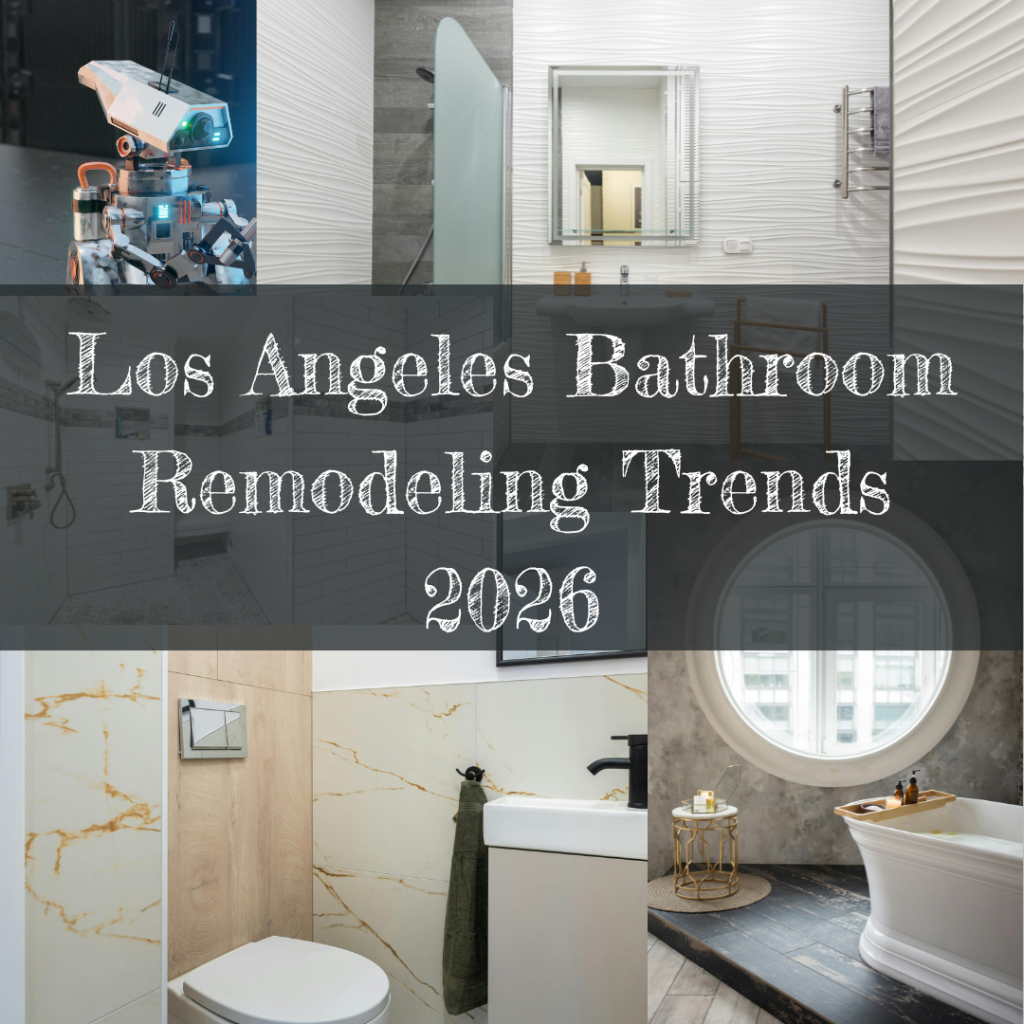
Powerful Bathroom Remodel Trends LA Homeowners Love
Taking on a bathroom remodel in Los Angeles is a major home project. It affects comfort, function, and resale value. In a competitive housing market, updated bathrooms can make a strong difference. If you plan to remodel in 2026, you should understand current costs, design trends, permits, and timelines in Los Angeles.
How Much Does Bathroom Remodeling Cost in Los Angeles?
Costs depend on bathroom size, materials, and how much work is involved.
Average cost ranges
Cosmetic remodel: $20,000 – $30,000
Simple cosmetic upgrades such as replacing vanity, retiling shower, replacing flooring, and other minor aesthetic upgrades.
Mid range remodel: $30,000 to $50,000 dollars
More intensive updates like replacing the shower completely, updating plumbing, updating vanity, flooring, painting, etc…
High end remodel: $50,000 to $85,000 dollars or more
Mostly custom and or changes to the existing floorplan like enlarging the shower, creating separate wash/bath rooms, heated flooring, heated towel racks, custom cabinetry, customer countertops for vanity etc…
Bathroom remodeling in Los Angeles can be an amazing way to ensure your home stays modern and functional. As one of the most used rooms in a home, it’s always wise to make sure you keep your bathroom up to date to ensure no plumbing, mold, or other issues arise.
Pro tip: Any bathroom remodeling work above simple cosmetic upgrades will require permitting from the Los Angeles Department of Building and Safety. Make sure your contractor is licensed and bonded with the CSLB to ensure your work is done legal and up to code.
Bathroom Design Trends in Los Angeles for 2026
Many remodels include steam showers, soaking tubs, and heated floors. These features support wellness and daily comfort.
Frameless glass enclosures and curb-less entries are common. They create a clean look and improve accessibility.
Low flow toilets and showerheads are popular in California. Water conservation remains a priority for many homeowners.
Stone surfaces, textured tile, and wood tones are replacing bright white designs. Neutral and warm colors are more common.
Digital shower controls, smart mirrors, and motion sensor lighting are increasing in demand. These upgrades are more common in higher value homes.
Does a Bathroom Remodel Increase Home Value in Los Angeles?
Does a Bathroom Remodel Increase Home Value in Los Angeles
In many cases, yes. A mid range remodel can improve resale value and help a property sell faster. Buyers in Los Angeles expect updated kitchens and bathrooms. Outdated spaces can lower perceived value. Return on investment depends on location, price range, and quality of work. Well planned remodels often recover a significant portion of their cost at resale.
Common Mistakes to Avoid
Skipping permits can lead to fines and problems during resale.
Hiring unlicensed contractors can create safety and legal risks.Failing to budget for unexpected costs can delay completion
It is common to set aside ten to twenty percent of the total budget for contingencies.
Poor waterproofing can lead to long term damage, especially in older homes.
Is 2026 a Good Year to Remodel
Many homeowners are moving forward with renovations rather than relocating. Demand for skilled contractors remains strong. Planning early helps secure better scheduling.
If you plan to stay in your home for several years, remodeling now allows you to benefit from the improvements instead of postponing them.
Bathroom remodeling in Los Angeles requires careful planning, realistic budgeting, and compliance with local regulations. When done properly, it improves daily living and supports long term property value.
What to Expect During a Bathroom Remodel
Planning and design
This stage usually takes two to four weeks. It includes measurements, layout decisions, material selection, and permit submission.
Permit approval
Approval times vary. Some permits are issued within a few weeks. Others may take longer depending on the scope of work
Inspections
City inspections may be required during and after construction. These often cover plumbing, electrical, and final completion.
Construction
Most full remodels take four to eight weeks. The timeline depends on material availability and inspection scheduling
Copyright © 2026 Perfect View Builders,
All rights reserved.